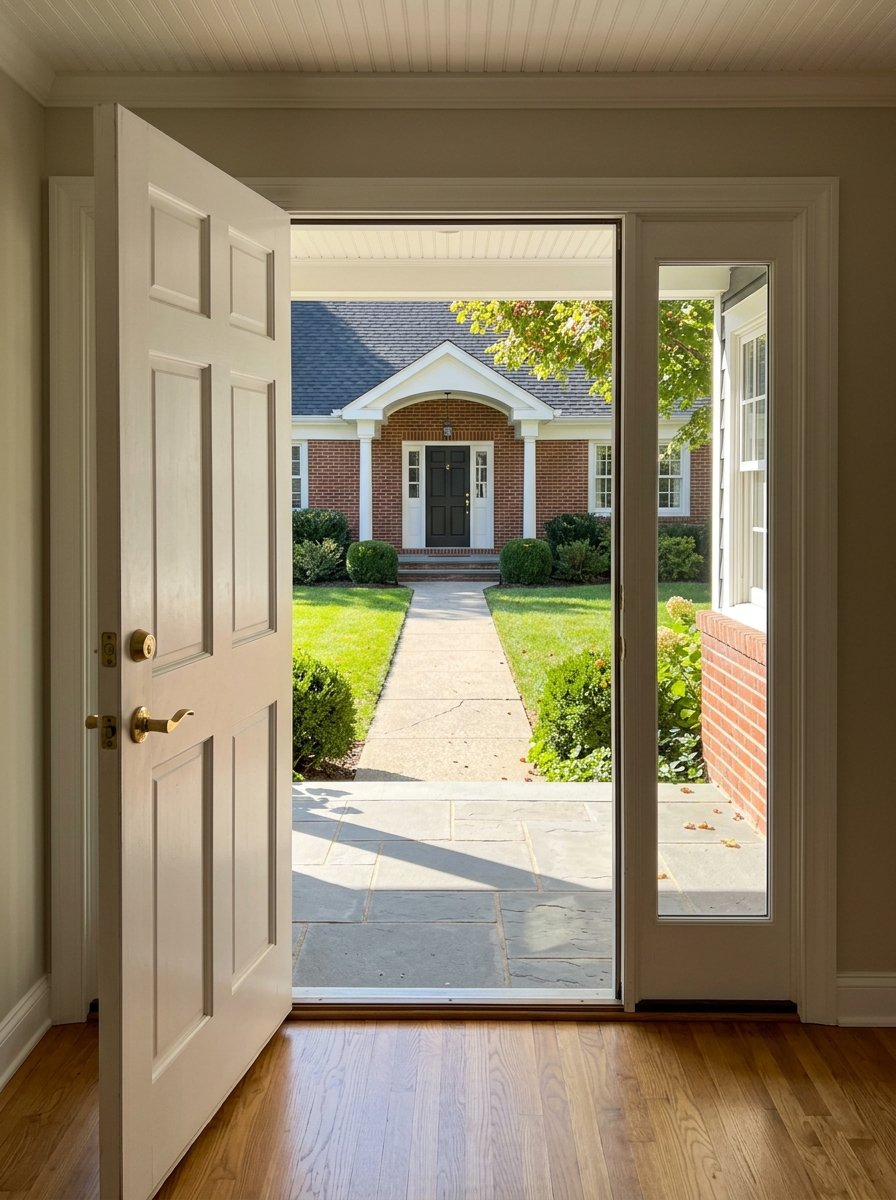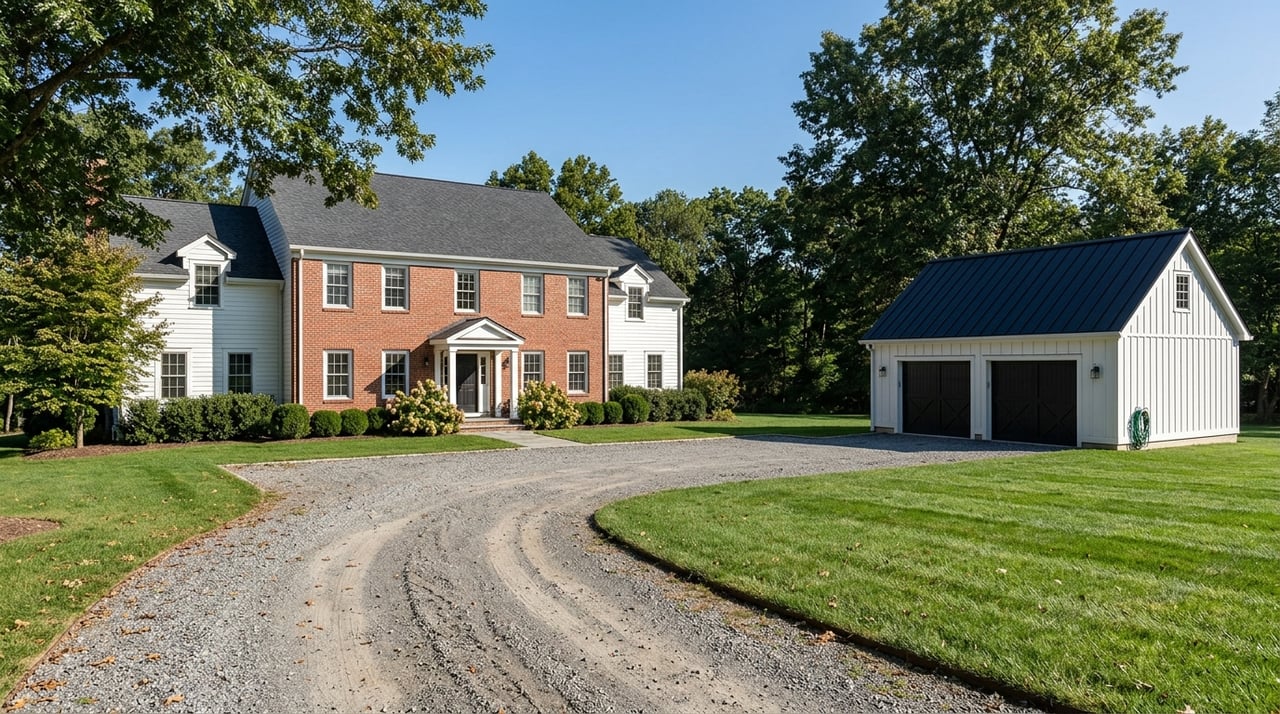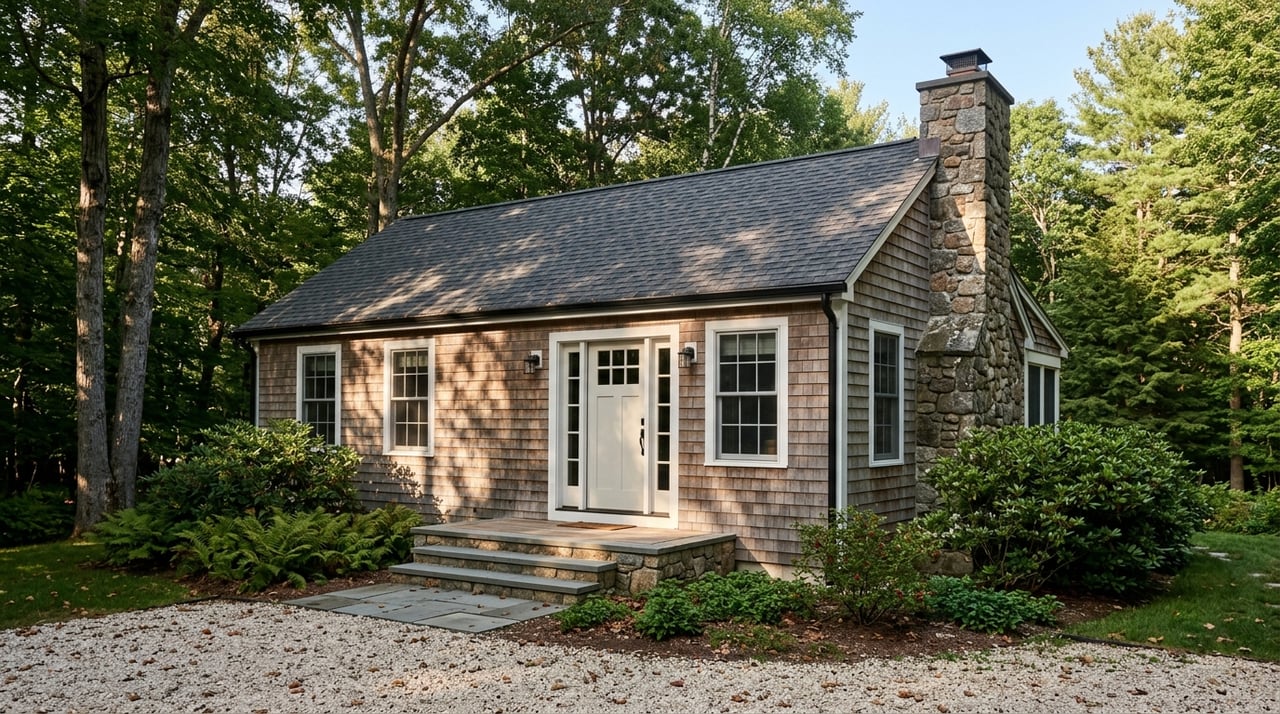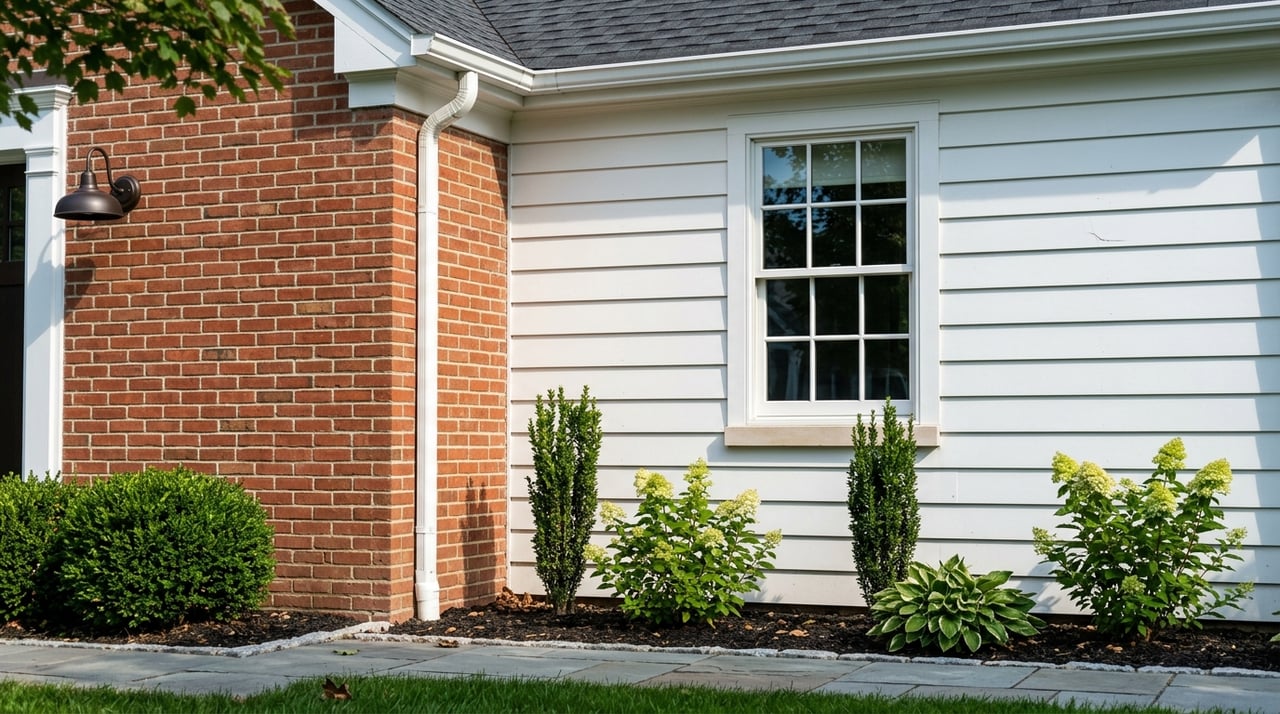
Thinking about buying in Goshen and torn between a brand-new home and a place with real history? You are not alone. In Goshen, that choice is less about simple age and more about how you want to live, what kind of upkeep you can handle, and what setting feels right for you. This guide will help you compare new construction and historic homes in Goshen so you can make a smarter, more confident decision. Let’s dive in.
Goshen has both old and new
Goshen is known for its historic character, especially in the village center. The Village of Goshen describes itself as a county-seat community with distinctive architecture, agricultural heritage, and a downtown historic core. That includes the Church Park Historic District, large Victorian homes on South Church and South Streets, and 19th-century townhouse architecture along Main Street.
At the same time, Goshen is not made up only of older homes. Across the town and village, there is still some newer inventory, though it is limited. Orange County data for 2022 through 2024 shows only about 3% to 4% of housing units in Goshen were built in 2010 or later, while about 72% of town units and 76% of village units were built before 1980.
Historic homes in Goshen
Where historic character stands out
If you picture classic Goshen charm, you are probably thinking of the village core. That is where you are most likely to find the architecture many buyers want when they say they are looking for “character.” The Church Park Historic District and nearby streets are central to that identity.
Village materials also point to well-known historic forms along Main Street and surrounding areas. Planning Board records identify the Cornelius Ackerman House at 260 Main Street as a Grand Victorian-style brick home built in 1892. In practical terms, that tells you Goshen’s historic appeal is not generic. It is tied to specific streetscapes and older architectural details.
What historic ownership can involve
Historic homes can offer trim work, masonry, proportions, and design details that are hard to replicate in newer construction. That appeal is real, and it is one reason many buyers focus on the village center. But ownership often comes with more hands-on care.
Preservation standards generally focus on maintaining and repairing original materials and features instead of replacing them all at once. That means roofs, windows, masonry, trim, and older mechanical systems may need more attention over time. If you love the look and setting of an older home, it helps to go in with a clear plan for maintenance.
Exterior changes may involve review
In Goshen’s Architectural Design District, exterior changes can involve added steps. The village requires a signed acknowledgement form for exterior modifications or signage. Major exterior construction, additions, alterations, or reconstruction can also be referred to the Planning Board or an architectural consultant.
That does not make historic ownership a bad fit. It simply means you should expect a more structured process if you want to change the outside appearance of the home. For some buyers, that is a worthwhile trade for living in one of Goshen’s most established settings.
New construction in Goshen
What newer homes tend to offer
The biggest advantage of new construction is often peace of mind in the first few years. Core components like windows, insulation, heating and cooling equipment, and roofing start newer. That can reduce the odds that you will inherit deferred maintenance right after closing.
Newer homes also tend to line up with the features many buyers want today. Open layouts, modern systems, and more efficient materials are often part of the package. In a market like Goshen, where very new housing is a small share of the total stock, that can make newer inventory especially appealing to buyers who want lower near-term repair needs.
Energy efficiency can be a major plus
NYSERDA notes that a new home can be designed from the start with air sealing, insulation, passive design, heat pumps, LED lighting, and solar power. It also says the new-build stage is the ideal time to create a high-performance building envelope. That is one of the clearest advantages of buying new.
Older homes were often built before current efficiency standards became common. The U.S. Department of Energy notes that older homes may have less advanced insulation and more energy loss through leaky windows, doors, and ducts. It also points out that single glazing is common in older buildings, while newer efficient buildings usually use double or triple glazing.
Where newer homes are more likely to be
Because Goshen’s historic core is concentrated in the village center and subject to design review, newer homes are more likely to appear outside the most tightly controlled historic streetscapes. That may mean newer subdivisions or infill locations rather than the core historic blocks. If your priority is a newer build, your search may naturally widen beyond the village’s most historic sections.
Pricing is not just about age
Current market context in Goshen
As of June 2026, Realtor.com reported 65 homes for sale in Goshen, with a median listing price of $799,900 and a median sold price of $520,700. That gives you a useful snapshot of the market, but it also highlights an important point. In Goshen, age alone does not determine value.
Location, lot size, square footage, condition, finish level, and updates all matter. A restored older home in a prime setting can command a strong price. A newer home may also come in at a similar level depending on its size, land, and features.
New versus vintage pricing snapshots
Redfin’s June 2026 search data showed 3 new-construction homes for sale in Goshen with a median listing price of $759K. Its vintage-home search showed 17 homes with a median listing price of $749K. These are portal snapshots, so they are best used as directional context rather than a formal valuation study.
Still, the takeaway is helpful. In Goshen, new construction does not automatically mean dramatically more expensive than an older or vintage home. The better question is what you are getting for the price in terms of setting, condition, efficiency, and likely ownership costs.
How to compare specific homes
Look beyond the listing photos
A historic home may win you over with curb appeal and original details. A newer home may stand out for comfort, efficiency, and reduced repair risk. Both can be good options, but the smart move is to compare specific properties side by side.
Focus on what your first five years of ownership may look like. That often gives you a clearer answer than debating old versus new in the abstract. A beautiful older home with updated systems may fit you better than a newer house in a less preferred setting, and the reverse can also be true.
Questions to ask about a historic home
When you are considering an older Goshen home, ask about:
- The age and condition of the roof
- Window condition and whether original materials remain
- Masonry, trim, and exterior maintenance needs
- Heating, cooling, and other mechanical system ages
- Any known requirements tied to exterior review in the Architectural Design District
These questions matter because older systems may be closer to replacement. NYSERDA’s home-buying guidance notes that equipment that is 15 to 20 years old may be nearing replacement time.
Questions to ask about new construction
If you are considering a newer home, ask about:
- Insulation and air sealing details
- Window type and glazing
- Heating and cooling system type
- Energy-efficient features such as heat pumps or LED lighting
- What warranties or builder coverage may apply
The goal is to understand not just that the home is new, but how it was built. In Goshen, where newer homes are relatively limited, build quality and efficiency details can make a meaningful difference.
Which type of home fits you best?
Historic homes may fit you if
A historic Goshen home may be the right fit if you value:
- Architectural detail and older craftsmanship
- Established streetscapes and village character
- A central setting near Goshen’s historic core
- The experience of owning and maintaining a home with original features
This path can be especially appealing if you see the home as more than a checklist of square footage and finishes. For many buyers, the setting and character are a major part of the value.
New construction may fit you if
A newer Goshen home may make more sense if you prioritize:
- Energy efficiency from day one
- Modern systems and materials
- Fewer near-term repairs
- A more predictable maintenance profile in the first several years
This option often works well if you want a move-in-ready home and prefer to spend less time dealing with immediate upgrades or replacements.
The best decision is local and personal
In Goshen, the choice between new construction and a historic home is not just about which one is better on paper. It is about which home matches your budget, your maintenance comfort level, and the kind of setting you want day to day. Since only a small share of Goshen housing is very new and much of the area’s identity is tied to older housing, both choices come with real tradeoffs and real upside.
If you are comparing homes in Goshen, the smartest move is to evaluate each property in context. That means looking at district rules, system age, energy performance, location, and likely ownership costs together. When you do that, the right answer usually becomes much clearer.
If you want help comparing specific homes in Goshen or understanding how local inventory fits your goals, connect with James J Cosenza for practical, local guidance.
FAQs
What makes historic homes in Goshen different from newer homes?
- Historic homes in Goshen are most closely tied to the village center and areas near the Church Park Historic District, where architectural character and older design details are a major draw.
Are there many new construction homes in Goshen, NY?
- No. Orange County data shows only about 3% to 4% of Goshen town and village housing units were built in 2010 or later.
Do historic homes in Goshen have extra rules for exterior changes?
- In Goshen’s Architectural Design District, exterior modifications may require a signed acknowledgement form, and major exterior work can be referred for further review.
Is new construction in Goshen always more expensive?
- Not necessarily. June 2026 portal snapshots showed Goshen new-construction listings at a median of $759K and vintage-home listings at a median of $749K, suggesting price depends on more than age alone.
What should buyers compare when choosing between old and new homes in Goshen?
- Focus on location, condition, system age, energy performance, exterior review requirements, and the likely cost of ownership over your first five years.