Dreaming about a place where your weekends slow down, the scenery changes with the season, and the drive from the city feels manageable? Buying a second home or getaway in Sullivan County, NY can offer exactly that, but the right purchase takes more than falling in love with a cabin view. You need to understand how the area works, what ownership really costs, and how to evaluate a property for year-round use. Let’s dive in.
Why Sullivan County appeals to second-home buyers
Sullivan County has a strong identity as a getaway market. The Sullivan Catskills tourism site says the area is about two hours from Manhattan, which helps explain why it remains attractive for weekend use and shorter escapes.
The county also has an active visitor economy. According to the county’s tourism grant program, Sullivan County welcomes more than 4 million visitors each year for outdoor recreation plus arts and cultural attractions. For you as a buyer, that means you are not just buying a house. You are buying into a location with steady interest and a built-in leisure culture.
Outdoor access is a major draw
Official tourism resources highlight hiking, biking, paddling on the Delaware River, and fly-fishing across the Beaverkill, Willowemoc, Neversink, and Delaware River system. In winter, the county promotes activities like ice skating, skiing, and exploring snowy landscapes.
That matters because seasonality is part of the ownership experience here. A Sullivan County getaway is not only a summer purchase or a leaf-peeping purchase. It is a property that should make sense across changing weather and different times of year.
Small towns add variety
Sullivan County blends outdoor access with arts, dining, and entertainment. Tourism pages point to Bethel Woods Center for the Arts, Resorts World Catskills, the Catskill Fly Fishing Museum, gallery activity in Narrowsburg, and craft beer in Livingston Manor.
Several local communities also stand out by name. Roscoe is promoted as Trout Town, USA, Livingston Manor is known for fly-fishing and culture, Narrowsburg appears often in arts content, and Monticello and Bethel help anchor larger event and resort traffic.
What counts as a second home
Before you shop, it helps to understand how lenders usually define a second home. Fannie Mae says a second home must be occupied by the borrower for some portion of the year, be a one-unit dwelling, be suitable for year-round occupancy, remain under the borrower’s exclusive control, and not be a rental property or timeshare.
Freddie Mac’s rules are similar. It also notes that short-term rental use may be allowed if the home is primarily for your personal use and is not tied to a rental pool or similar management arrangement.
Why this matters in Sullivan County
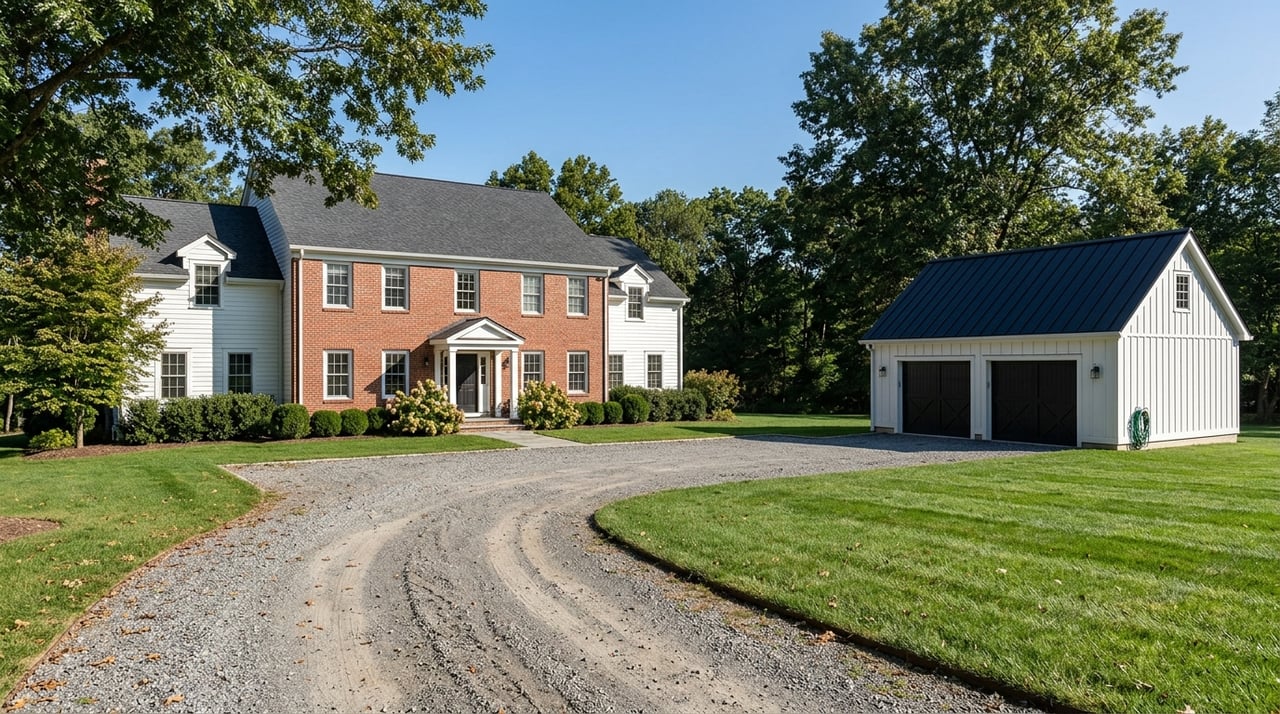
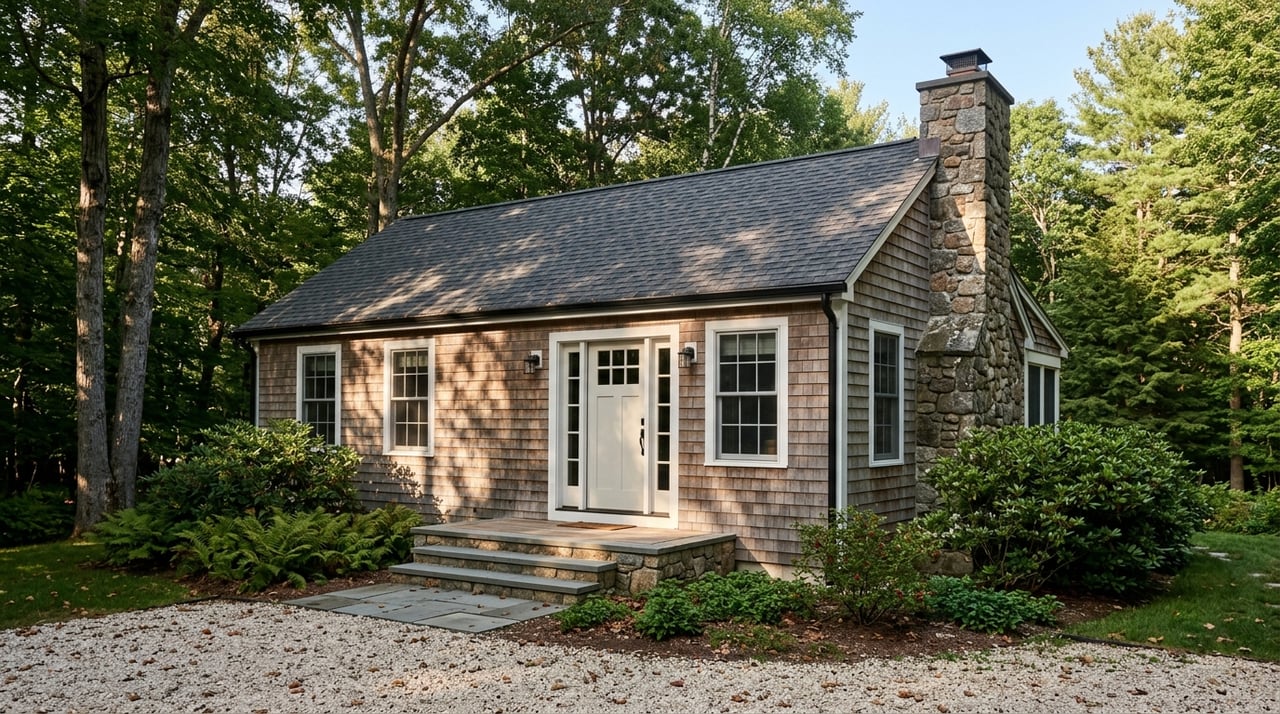
This is especially important in a getaway market where cabins, cottages, and smaller homes can vary widely. A home may look perfect in listing photos, but the key question is whether it truly functions as a year-round, one-unit residence.
That can affect both your financing path and your day-to-day use. If you plan to enjoy the property regularly, you want a home that works in January as well as July.
How to evaluate year-round use
Sullivan County’s own travel guidance says weather can change quickly and that delays or road closures can happen. Its winter guidance also emphasizes cold weather, snow, and the need for proper gear.
For you, that turns into a practical due diligence checklist. A second home should not only look charming on a sunny weekend. It should also be reachable, warm, and manageable when conditions are less forgiving.
Questions to ask before you buy
- Is the property suitable for year-round occupancy?
- How is the home heated?
- Is the insulation adequate for colder months?
- Who handles plowing and winter access?
- Is the driveway steep, long, or hard to maintain?
- Are roads to the property dependable during snow or storms?
These questions can help you avoid buying a place that feels easy in one season but difficult in another.
Budget for local ownership costs
Second-home buyers sometimes focus heavily on the purchase price and underestimate the carrying costs. In Sullivan County, taxes, utilities, maintenance, and site-specific systems can make a meaningful difference in your real monthly budget.
Property taxes vary locally
New York property tax is a local tax that funds local governments and public schools. That means you should budget by municipality and school district instead of relying on a countywide average.
Sullivan County’s Real Property Tax Services Agency provides countywide assessment data that can be searched by municipality, owner name, or street address. That makes it a useful research tool before you make an offer.
Do not expect STAR benefits
If you are buying a getaway or second home, do not assume the STAR exemption will apply. The New York Tax Department says Basic STAR is for owner-occupied primary residences, and a property must be the primary residence of one or more owners to qualify.
For many second-home buyers, that means the tax picture may be less favorable than what you might see on a primary residence.
Watch for wells, septic, and flood risk
Many rural and semi-rural homes in Sullivan County come with private wells and septic systems. These systems are common, but they need attention and should be part of your inspection planning and long-term budget.
Well and septic deserve early review
The EPA recommends testing private well water annually for total coliform bacteria, nitrates, total dissolved solids, and pH. The agency also says septic-system maintenance is the owner’s responsibility.
Routine septic maintenance can cost about $250 to $500 every three to five years, according to the EPA. Repairs or replacement can cost much more, which is why these systems are worth careful review before you commit.
Flood screening matters near waterways
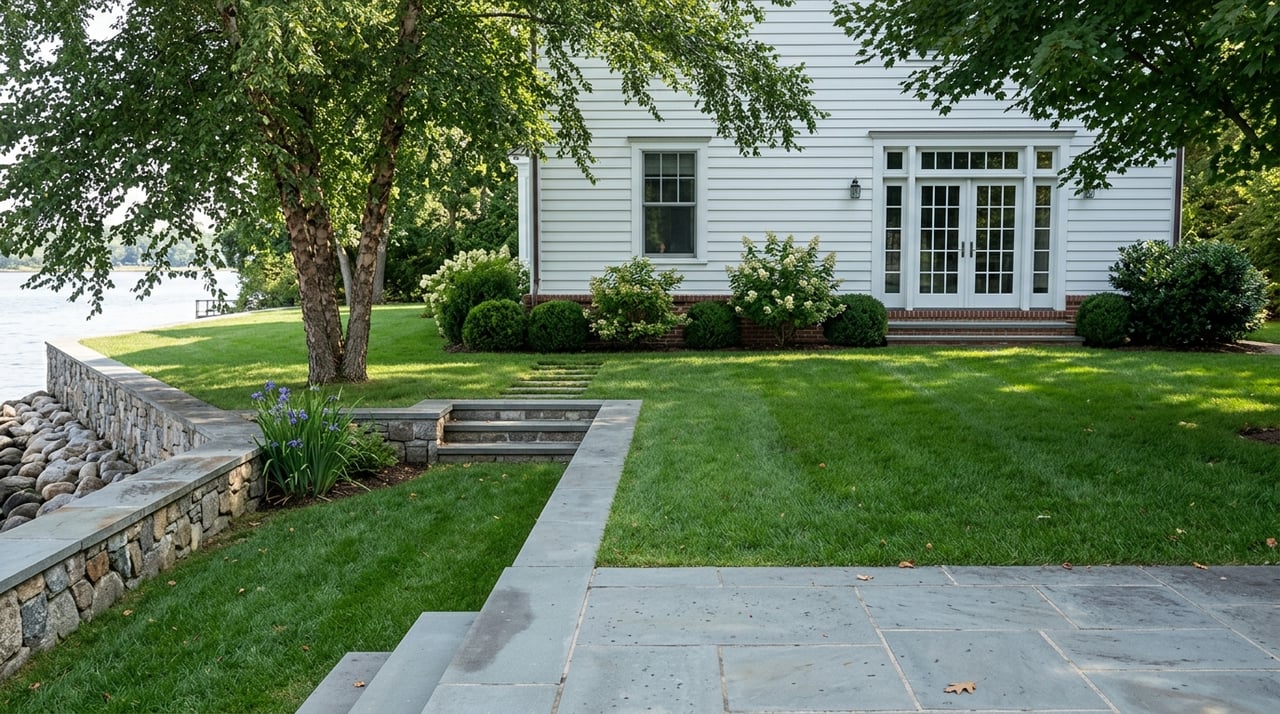
If a property is near the Delaware, Neversink, or another waterway, flood screening should be part of your process. FEMA says the Flood Map Service Center is the official source for flood-hazard information, and NFIP requirements apply to Special Flood Hazard Areas shown on Flood Insurance Rate Maps.
This is not just a map issue. Flood risk can affect insurance costs, future carrying costs, and your comfort level with the property.
Financing and rental plans need to match
A lot of buyers ask the same question: can you use your Sullivan County getaway sometimes and rent it out sometimes? The answer depends on how the lender classifies the property and how you actually plan to use it.
Fannie Mae says second homes cannot be rental properties or timeshares, though rental income may be acceptable if it is not used to qualify and all second-home rules are still met. Freddie Mac allows some short-term rental activity only when the home remains primarily for your personal use and is not part of a rental pool or similar management setup.
Confirm your occupancy plan early
If you think you may occasionally rent the property, bring that up before you shop seriously. It is much easier to structure your search correctly at the beginning than to discover later that your intended use does not fit the financing.
This is one of the most important planning steps for second-home buyers in Sullivan County. A clear occupancy strategy helps you compare homes, loans, and monthly costs more realistically.
A smart buyer checklist for Sullivan County
Buying a second home is exciting, but the best results usually come from simple, disciplined steps. A practical approach can protect both your lifestyle goals and your budget.
Start with these essentials
- Get preapproved before you begin shopping
- Ask for insurance estimates early
- Confirm year-round access and winter maintenance
- Verify well and septic condition
- Check flood risk before making an offer
- Review local property tax details by municipality and school district
- Clarify whether your intended use matches second-home loan rules
Each of these steps can help you make a more confident decision and reduce surprises after closing.
Why local guidance helps
Sullivan County offers a different buying experience than a typical suburban home search. Property types can vary. Seasonal access can matter. Costs may depend on taxes, insurance, wells, septic systems, and location near water.
That is why local, hands-on guidance can be valuable. When you are balancing lifestyle goals with practical due diligence, you want clear advice, strong communication, and a strategy that keeps the search focused on properties that truly fit your needs.
If you are considering a second home or getaway in Sullivan County, working with a responsive local advisor can help you move with more clarity and less guesswork. To talk through your goals and next steps, connect with James J Cosenza.
FAQs
What makes Sullivan County attractive for a second home?
- Sullivan County offers a getaway setting about two hours from Manhattan, with strong appeal tied to outdoor recreation, seasonal activities, arts, and visitor destinations like Bethel Woods and other small-town attractions.
What qualifies as a second home in Sullivan County financing?
- For many loan scenarios, a second home must be a one-unit property that you occupy for part of the year, that is suitable for year-round use, under your exclusive control, and not operated as a rental property or timeshare.
What should you check before buying a cabin or cottage in Sullivan County?
- You should confirm year-round occupancy, heating, insulation, driveway access, plowing arrangements, road conditions, well and septic condition, and any flood-risk concerns tied to the site.
Are property taxes on a Sullivan County second home the same everywhere?
- No. New York property taxes are local, so costs can vary by municipality and school district rather than following a single countywide number.
Can you get STAR tax relief on a second home in Sullivan County?
- No. The New York Tax Department says STAR benefits are for owner-occupied primary residences, so a second home or getaway should not be expected to qualify.
Should you worry about wells and septic systems in Sullivan County?
- Yes. Many rural and semi-rural properties use private wells and septic systems, so testing, maintenance, and condition review should be part of your due diligence and long-term budget planning.
Can you rent out a Sullivan County second home sometimes?
- Possibly, but it depends on your loan rules and how the property is used. Some lending guidelines allow limited short-term rental activity only when the home remains primarily for your personal use and is not tied to a rental pool or similar arrangement.