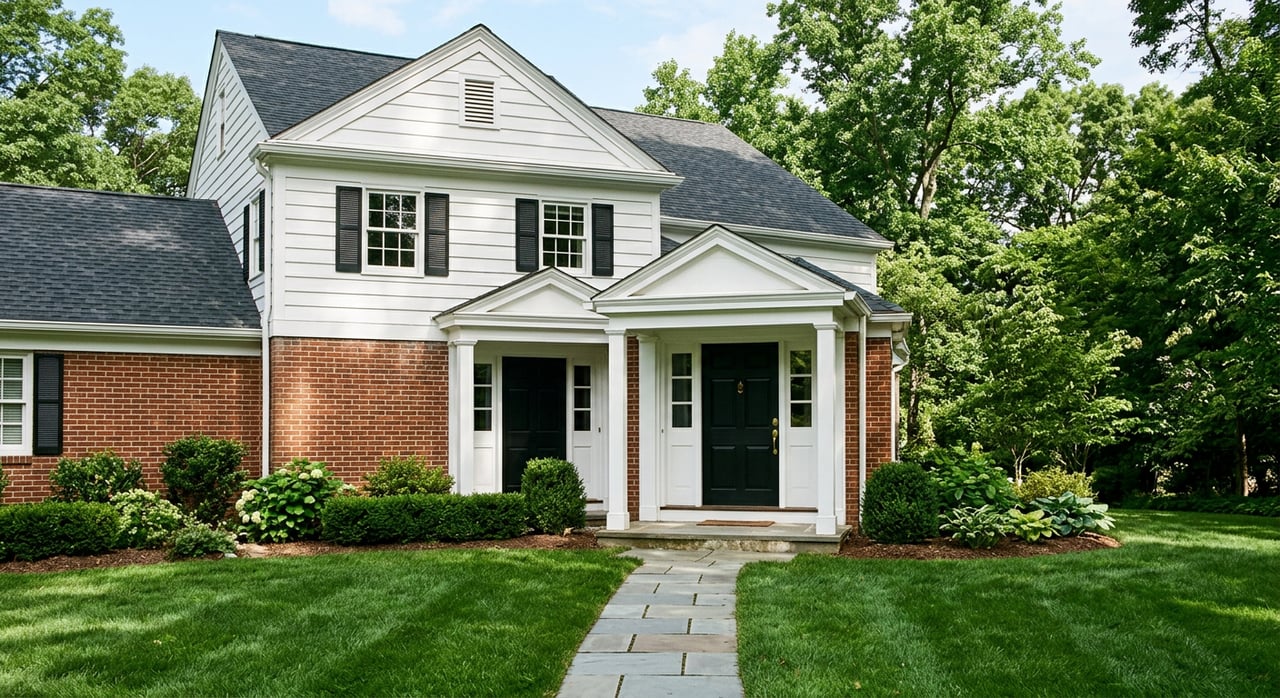
What should you list your Goshen home for right now? If you have checked a few real estate sites, you have probably seen three very different numbers. That makes pricing feel risky when your goal is a smooth sale and strong net. In this guide, you will see what the latest local figures say, why they do not match, and how to use a neighborhood-level CMA to set a price that fits your timeline. Let’s dive in.
Goshen pricing right now
Recent snapshots for Goshen’s 10924 ZIP show wide spreads across popular sites. Zillow’s ZIP-level index puts a typical value near $548,170 as of December 31, 2025. Redfin’s January 2026 median closed sale was about $385,000, down 8.3% year over year, with a median 35 days on market. Realtor.com’s recent listing snapshot showed a median asking price around $699,194 and a longer median days on market on active inventory (about 97 days in one view).
Those gaps are real. They do not mean one source is right and the others are wrong. Each uses a different yardstick. Your list price should be built from a CMA that matches your property’s size, style, lot, and location in 10924.
Why the numbers disagree
- Zillow’s ZHVI is a model-based “typical value” for the ZIP, not a current asking or sold price for your home.
- Redfin’s median reflects closed sales in the last month. In 10924, monthly closings can be a small number, so medians swing when one high or low sale hits.
- Realtor.com focuses on current asking prices. Active listings can sit at higher prices until the right buyer appears.
Local sold examples from late 2024 through 2025 ranged from the low $300,000s to above $1 million, with renovated or large-acreage homes toward the top. That is why your CMA must be built by price band and by property type rather than by a single townwide median.
The mortgage rate effect
Buyer budgets move with rates. As of the week ending February 26, 2026, the national 30-year fixed average was 5.98%, according to the Freddie Mac Primary Mortgage Market Survey. When rates dip, more buyers can afford your price, and the reverse is true when rates rise.
How agents set a list price
A strong listing price comes from a Comparative Market Analysis (CMA) built with current MLS data and local judgment. Here is the standard approach you should expect.
Step 1: Select the right comps
Your agent will pull 3 to 8 recent closed sales from the past 3 to 6 months, extending to 9 to 12 months if your segment is thin. They will also review pending sales to read momentum, active listings to understand your competition, and expired or withdrawn listings to see where the market rejected a price. In Goshen, OneKey MLS is the core data source for this work.
Step 2: Make market-based adjustments
No two homes are identical. Adjustments for square footage, bed and bath count, lot size or acreage, age, condition, garage spaces, finished basements, renovations, and unique features help align comps to your home. This mirrors the sales comparison approach appraisers use. For a clear explanation of how appraisals differ from CMAs, see this sales comparison overview.
Step 3: Watch live market signals
Your agent will read days on market, sale-to-list ratios, showing counts, and online engagement once you go live. The first 10 to 14 days are critical. If activity is soft compared with similar listings, plan a data-driven pivot. For timing guidance on early adjustments, review this overview of when to reduce price.
Step 4: Choose a scenario that matches your timeline
Most agents present a pricing range with scenarios:
- Faster sale: price a bit below the CMA midpoint to increase showings and attract competing offers.
- Balanced plan: list near the midpoint and invest in presentation to support value.
- Aspirational: list near the top of range if you have time and clear, verifiable premiums.
For a deeper look at pricing postures and trade-offs, see this pricing strategy guide.
Local value drivers in 10924
Micro-location and property type
Within 10924, value changes by micro-area: the walkable village center, suburban subdivisions, and rural acreage each draw different buyers. Larger lots and properties with equestrian-friendly features can command premiums in the right niche. The key is to match your CMA to your specific setting.
Schools and boundaries
Goshen Central School District serves much of 10924. District boundaries often influence buyer demand and price tiers. For neutral, third-party school information, you can review Goshen Central High School context. Use this as one input rather than a value claim.
Commuting options
Commuters value options. ShortLine/Coach USA runs regular service with a stop in Goshen at Main St and Grand St, connecting to Port Authority in NYC and regional park-and-rides. Check the Coach USA schedule for routes and times. The nearest Metro-North stations on the Port Jervis Line include Campbell Hall and Middletown; see the rail line map to compare options.
Property taxes and exemptions
Taxes impact monthly affordability for buyers and your net proceeds. Be ready to share your most recent tax bill and any exemptions. For county-level updates and programs, start with the Orange County real property office.
What you can control to protect price
Timing and pricing posture
Pick a price that fits your goal. If you need a faster sale, price in the lower half of the supported CMA range. If you can wait, list near the midpoint and commit to strong presentation. If you price high, set firm review points in the first two weeks and be ready to adjust with real feedback.
Repairs and targeted updates
Fix items that can block financing or spook buyers, like roof leaks, HVAC issues, septic and sewer problems, or safety concerns. For value, modest refreshes tend to outperform full overhauls. Industry cost-versus-value coverage shows minor kitchen updates and curb appeal projects often deliver better returns than large-scale remodels. Review this cost-versus-value overview as you plan.
Presentation and marketing
Staging, pro photos, and clear floor plans help buyers visualize your home and can support higher offers. The National Association of Realtors reports that many agents see staging shorten time on market and increase offer prices in some cases. Learn more from this NAR staging summary. Also be mindful of price thresholds. Listing at $499,900 instead of $505,000 can place your home in more buyer searches.
A simple 90-day prep plan
Use this checklist to move from “thinking about selling” to “ready to hit the market.”
- Order a neighborhood CMA from a local MLS-connected agent and choose your pricing scenario.
- Schedule a pre-listing inspection. Prioritize fixes that affect financing, safety, or code compliance.
- Complete targeted updates with better cost-to-value, like paint, floor refinishing, light landscaping, and a minor kitchen refresh. Reference the cost-versus-value overview as a guide.
- Stage the main living areas and primary bedroom. Book professional photography and a measured floor plan. See the NAR staging summary for what to prioritize.
- Plan a two-week launch push with clear engagement goals. If showings or online views lag, review and adjust quickly using this timing guide to price changes.
How long should you expect to sell?
It depends on your price band, condition, and presentation. In January 2026, one snapshot showed a 35-day median for closed sales in Goshen, while some listing snapshots showed longer medians for active inventory. Your CMA should include days on market for your exact price tier so you can plan your timeline and pricing posture with confidence.
Set your list price with confidence
If you want a fast sale, price just below the CMA midpoint and invest in top-tier presentation during your first two weeks on market. If your goal is to maximize net with more time, list near the upper range only when you can point to clear, verifiable advantages and be ready to respond to early feedback. The right plan starts with a precise CMA and a launch that meets buyers where they search.
Ready for a local pricing plan based on today’s Goshen comps? Request your free, no-pressure valuation and strategy session with James J Cosenza.
FAQs
How do you determine my Goshen list price?
- Your list price comes from a neighborhood CMA that weighs recent closed sales, current competition, and pending activity, then adjusts for your home’s size, condition, and lot.
Do mortgage rates change what I can list for?
- Rates shape buyer budgets and demand. Track the 30-year fixed average from the Freddie Mac PMMS and price with your agent based on current activity in your segment.
Should I price high and “test the market” in 10924?
- It can backfire. If engagement is weak in the first 10 to 14 days, make a clear, data-driven adjustment rather than a series of tiny cuts. See this timing guide for context.
Do schools affect what buyers will pay in Goshen?
- School district boundaries often influence demand and price tiers. For neutral information, review Goshen Central High School context and discuss how boundaries align with your home.
What are the commute options buyers ask about?
- Many consider bus and rail. ShortLine/Coach USA serves Goshen’s Main St and Grand St stop to NYC’s Port Authority; check the Coach USA schedule. The nearest Metro-North stations are on the Port Jervis Line; see the rail map for options.