Thinking about trading an NYC apartment for more space in Dutchess County? You are not alone, but the move is not just about square footage. Your budget, train line, and daily routine will shape where you should focus first. This guide breaks down how housing and commuting work in Dutchess County so you can make a smarter move with fewer surprises. Let’s dive in.
Why Dutchess County Feels Different
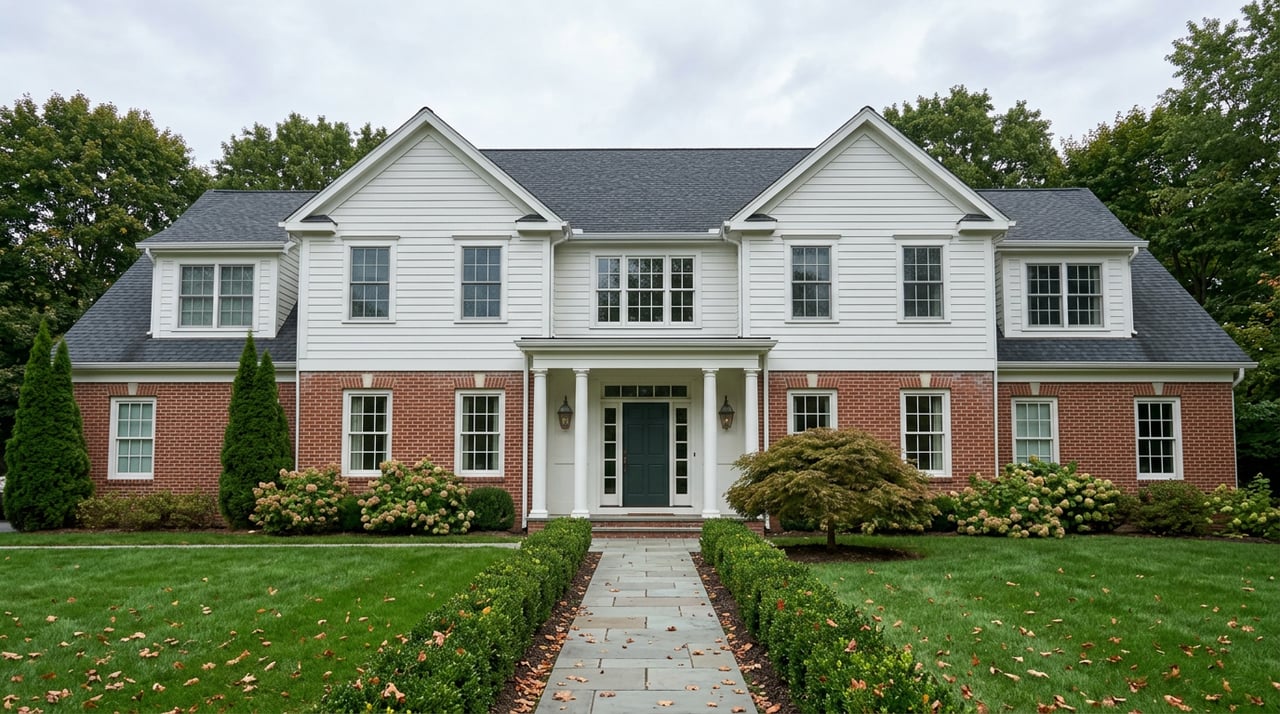
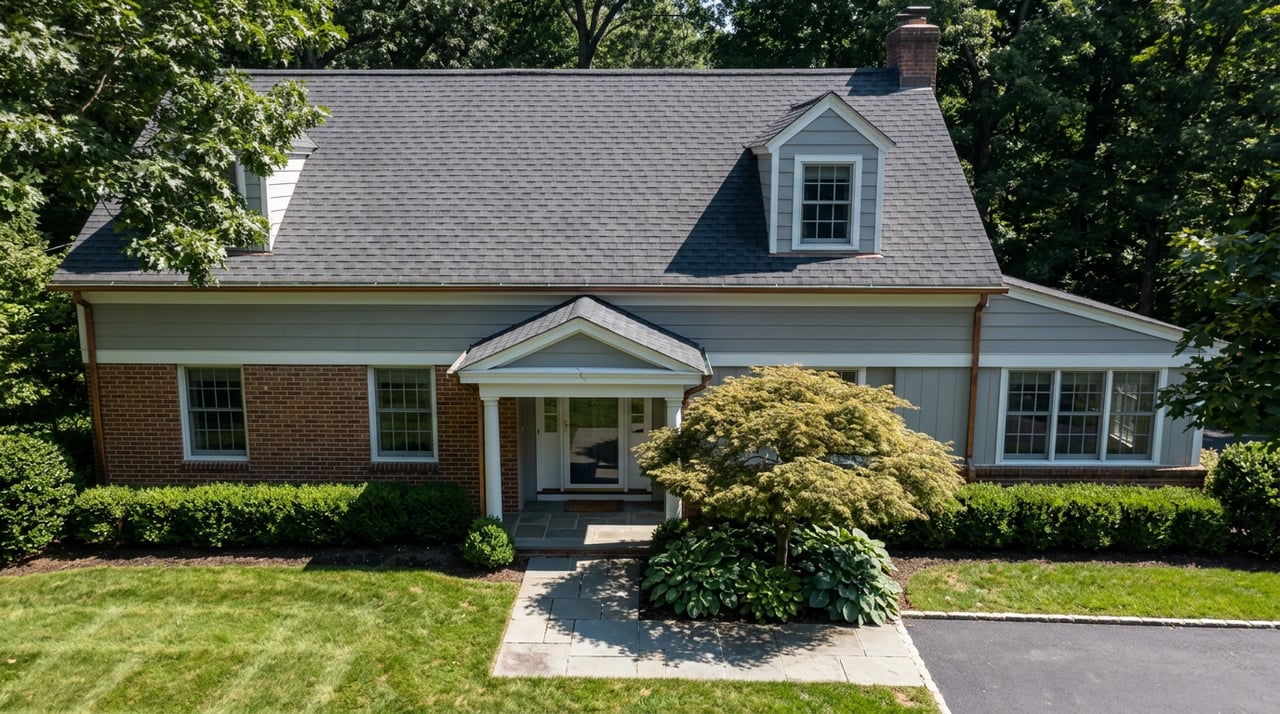
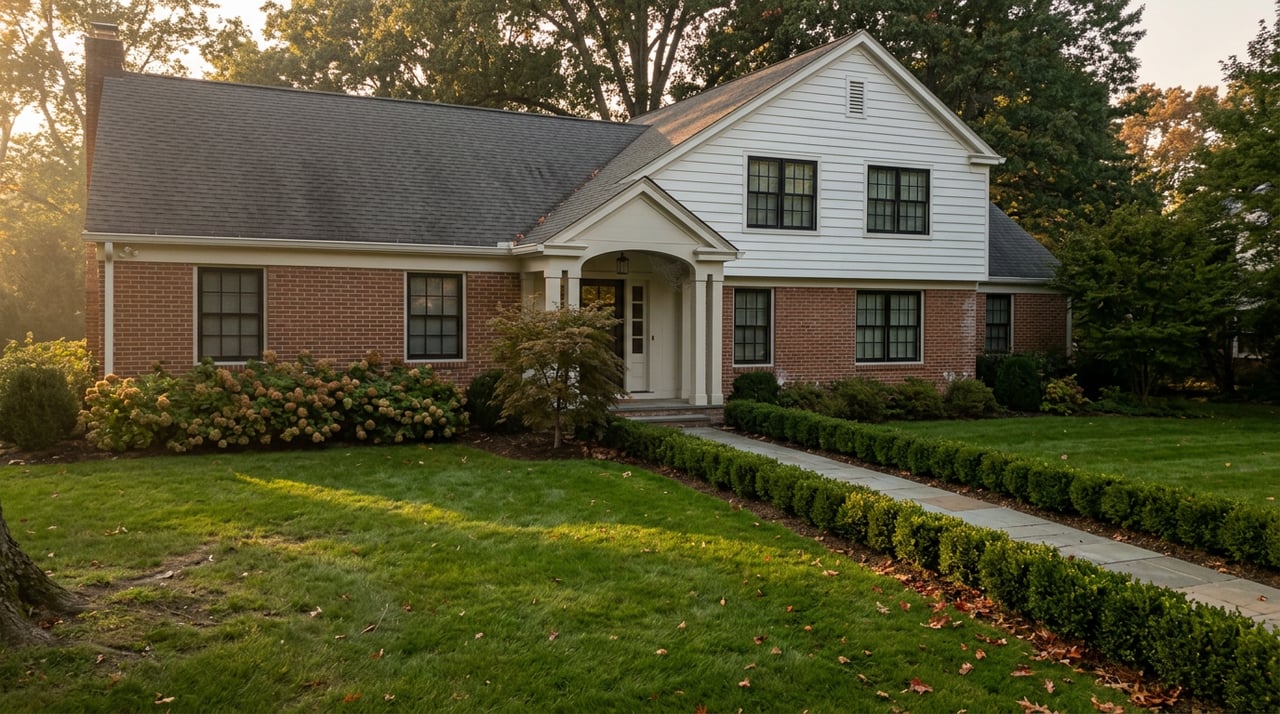
Dutchess County is still an ownership-focused market. County data shows about 75,000 owner-occupied homes, and roughly 68% of housing units are owner-occupied. The county also reports that nearly 70% of all housing units are single-family homes, either detached or attached.
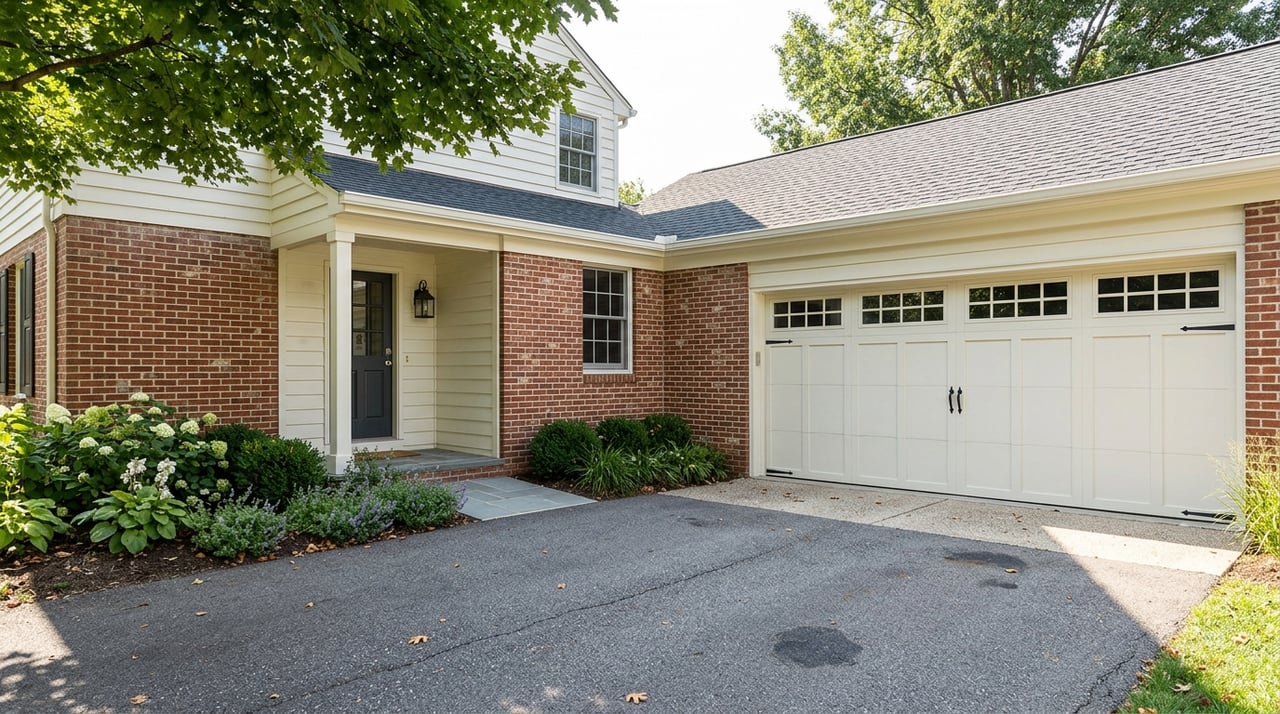
That matters if you are moving from NYC and hoping for more space, a yard, or a traditional house layout. In many parts of Dutchess County, that kind of housing is the norm rather than the exception. At the same time, it also means the market can feel competitive because many buyers are chasing the same type of home.
Household size has also fallen over time, from 3.23 people per household in 1960 to 2.49 in 2020. Even without major population spikes, smaller household sizes can keep pressure on the housing supply. In practical terms, that is one reason inventory can still feel tight.
Start With Your Commute
If you are relocating from NYC, your home search should usually begin with the commute. In Dutchess County, the most useful way to think about the market is by rail corridor first and road access second.
For many buyers, the choice comes down to the Hudson Line or the Harlem Line. Once you know which train pattern fits your work and lifestyle, you can narrow your housing search much faster.
Hudson Line towns
The Metro-North Hudson Line serves Beacon, New Hamburg, and Poughkeepsie in Dutchess County. These stations are especially important for buyers who want a direct rail option into Manhattan.
Metro-North says a non-express trip from Poughkeepsie to Grand Central can take up to 115 minutes depending on stops. Some timetable changes in 2025 shortened select Poughkeepsie runs, with one morning trip at 94 minutes and some later super-express trips coming in under 90 minutes. If your schedule is flexible, those differences can matter.
For many NYC movers, Hudson Line access points them toward Beacon, Poughkeepsie, and nearby areas that can reach New Hamburg. These locations often appeal to buyers who want a clearer train-based routine.
Harlem Line towns
The Metro-North Harlem Line serves Pawling, Harlem Valley-Wingdale, Dover Plains, Tenmile River, and Wassaic in Dutchess County. This creates a different commute map on the eastern side of the county.
If your job, schedule, or preferred driving pattern works better with the Harlem Line, your search may naturally shift east. That can open up a different set of housing options than you would see along the Hudson River side.
Drive-to-train flexibility
Not every buyer wants to live right next to a station. Some prefer more housing options and plan to drive to rail access instead.
Dutchess County identifies I-84, the Taconic State Parkway, and Route 9 in Poughkeepsie as key expressway-type commuting corridors. The county also maintains park-and-ride lots at I-84/Lime Kiln Rd., Taconic Parkway/Rt. 52, Todd Hill, Kimberly Korners, Poughkeepsie, Red Hook, Stanford, and Wappingers Falls. That network can make a hybrid drive-and-rail commute much more workable.
What Housing Costs Look Like
Dutchess County is not one uniform price market. Countywide, the median sale price reached $475,000 in 2024, up 10.7% from 2023. But that county median only tells part of the story.
The county reports a wide spread in 2024 sales. About 2% of sales were under $200,000, 7% were between $200,000 and $299,999, 21% were between $300,000 and $399,999, and 25% were between $400,000 and $499,999. Another 17% were between $500,000 and $599,999, 23% were between $600,000 and $999,999, and 5% were $1 million or more.
That spread is important if you are moving from NYC with a set budget. You can find meaningful variation across the county, but you need to be realistic about how far your money goes in each submarket.
Comparing Dutchess County Submarkets
Current listing medians show how different one area can look from another. These are listing prices, not closed sale prices, but they still help show the general price gradient across Dutchess County.
| Area | Median Listing Price |
|---|---|
| Poughkeepsie | $416,000 |
| Fishkill | $475,000 |
| Wappinger | $495,000 |
| Wappingers Falls | $497,000 |
| Hyde Park | $575,900 |
| Beacon | $625,000 |
| Hopewell Junction | $677,000 |
| East Fishkill | $689,000 |
| Rhinebeck | $765,000 |
| Millbrook | $1.2 million |
If you are budget-sensitive, you will likely look first at Poughkeepsie, Fishkill, and Wappinger or Wappingers Falls. If you are shopping for higher-priced submarkets, you may focus more on Beacon, Rhinebeck, East Fishkill, Hopewell Junction, or Millbrook.
This is one reason broad county averages can be misleading. Two buyers with the same “moving to Dutchess County” plan may end up in very different parts of the market depending on commute needs and price range.
Is the Market Competitive Right Now?
As of March 2026, Realtor.com reported a county median listing price of $549,450, 834 active listings, and a median of 49 days on market. The same source described the county as balanced, with homes selling for about 99% of asking on average.
Redfin reported a March 2026 median sale price of $487,500. The difference between listing and sale numbers is normal because they measure different things.
For you, the practical takeaway is simple. Buyers may have more breathing room than in the most extreme seller-market periods, but pricing still matters, and well-positioned homes can still move efficiently.
Renting First Before You Buy
Many NYC movers want to rent first, learn the area, and buy later. That can be a smart transition strategy, but Dutchess County’s rental market is tight.
The county’s 2024 rental survey found a 1.6% vacancy rate in market-rate apartment complexes and 0.2% vacancy in tax-credit developments. The county also notes that market-rate vacancy has stayed below the 5% healthy market benchmark for more than 25 years.
That means you should not assume a large pool of easy short-term options. If renting first is part of your plan, it helps to start early and stay flexible.
Typical apartment rents
Average 2024 market-rate apartment rents were:
- Studio: $1,380
- One-bedroom: $1,854
- Two-bedroom: $2,304
- Three-bedroom: $2,845
The county also reported lower average rents in tax-credit and inclusionary apartments, but those homes often come with income limits and waiting lists. For many relocating households, the key point is that affordability and availability are not the same thing.
Where rental supply is strongest
Dutchess County says market-rate apartment supply is concentrated in the Town of Poughkeepsie, Town of Fishkill, Town of Wappinger, and the City of Poughkeepsie. For NYC movers, that matters because these areas may offer the best chance of finding a rental while keeping commuter access in play.
If you want to test the area before buying, these communities may be practical starting points. They can give you more apartment inventory than you may find elsewhere in the county.
New Construction Is Limited
If you are hoping for a large menu of brand-new homes, Dutchess County may feel more limited than you expect. In 2024, assessors recorded 290 newly constructed one-family homes countywide.
The county also notes that much of this building happened in small-lot and townhome-style projects rather than large subdivisions. About one-third of the new one-family construction occurred in Fishkill.
That does not mean you cannot find newer housing. It means you should expect fewer options and a more targeted search, especially if new construction is a top priority.
How To Narrow Your Search
Moving from NYC to Dutchess County gets easier when you break the decision into a few practical steps. Instead of searching the whole county at once, build your short list around how you actually live.
Start with these questions:
- Do you want the Hudson Line or Harlem Line?
- How many days each week will you commute?
- Are you open to driving to a station or park-and-ride lot?
- Do you want to rent first or buy right away?
- What price range feels comfortable for your monthly budget?
- Do you prefer a lower-priced entry point or are you targeting a higher-end submarket?
Once you answer those questions, your map becomes much clearer. You can stop treating Dutchess County like one giant search area and start focusing on the places that match your budget and routine.
The Bottom Line For NYC Movers
Dutchess County offers what many NYC movers want most: more ownership opportunities, more single-family housing, and workable rail access into Manhattan. But the county is not one-size-fits-all. Prices vary widely from one area to another, rental vacancy is very low, and your commute pattern should guide your search from day one.
If you are planning a move, the smartest approach is to match your housing budget with your train line, driving tolerance, and timeline. That kind of planning can save you time, reduce stress, and help you focus on the right part of the county from the start.
If you want help sorting through Hudson Valley relocation options and building a move plan that fits your budget and commute, reach out to James J Cosenza.
FAQs
What is the median home price in Dutchess County?
- Dutchess County reported a 2024 median sale price of $475,000, while March 2026 market snapshots showed a median listing price of $549,450 and a median sale price of $487,500 from different sources.
Which Dutchess County towns work best for Hudson Line commuters?
- Buyers who want Hudson Line access usually focus on Beacon, New Hamburg, and Poughkeepsie because those are the Dutchess County stops on that Metro-North line.
Which Dutchess County areas are tied to the Harlem Line?
- The Harlem Line serves Pawling, Harlem Valley-Wingdale, Dover Plains, Tenmile River, and Wassaic, which shapes the commute options on the eastern side of Dutchess County.
Is renting in Dutchess County easy before buying?
- Renting can be challenging because the county reported a 1.6% vacancy rate in market-rate apartment complexes and 0.2% vacancy in tax-credit developments in 2024.
Where is rental inventory strongest in Dutchess County?
- The county says market-rate apartment supply is concentrated in the Town of Poughkeepsie, Town of Fishkill, Town of Wappinger, and the City of Poughkeepsie.
Is Dutchess County mostly single-family housing?
- Yes. County housing data says nearly 70% of all housing units are single-family homes, and the market remains ownership-led.
How long is the train ride from Poughkeepsie to Grand Central?
- Metro-North says a non-express Poughkeepsie-to-Grand Central trip can take up to 115 minutes depending on stops, while some later timetable changes shortened select trips to 94 minutes or under 90 minutes on certain runs.